
Bird Feeder Cleaning & Care
Keeping feeders clean is an important part of feeder maintenance. Clean and sanitize your feeders on a regular basis. We recommend to clean feeders once every two weeks or more frequently during heavy use, wet weather, or if you have sick birds in your area. Cleaning your feeders will help them look better longer, and it decreases the possibility of spreading sickness and disease among your birds.
List of Supplies Recommended to Clean Your Bird Feeder:
- Gloves
- Tubs/ Containers/ Bucket (or Sink)
- Feeder Brush
- Scrub Brush
- Rags
- Bleach - regular household bleach
- Dish Soap
- Water
- Measuring Cup
Steps to Properly Clean Your Bird Feeder:
- Discard old food and debris from the feeder
- Disassemble parts (where applicable)
- Fill container/tub with warm water and dish soap
- Thoroughly scrub all parts of the feeder in the container with brushes/rags
- Rinse feeder and all parts
- Use the emptied container/tub to create a sanitation bleach solution (1 part bleach and 9 parts water)
- Soak feeder for a few minuets rotating it to submerge all parts
- Remove feeder from bleach solution and rinse thoroughly
- Let feeder completely dry
- Refill with fresh WBU Bird Food
Here are Some Guidelines to Follow When Caring For Your Wooden, Copper, or Tube Feeders:
Wooden feeders will naturally fade over the years. It is not necessary to treat wood feeders with any products; however if you wish to maintain the appearance of your feeder, you can follow these simple directions.
Redwood or Cedar Feeders
These types of wood are widely used for outside use because of their excellent weathering properties that are naturally found in the wood as it grows. Under normal conditions this wood remains functional for many years without any maintenance. However, it will fade in color as it weathers. If you would like to maintain the attractiveness of the wood, you can give it a coat of wood sealer of linseed oil every few years. It is important to apply water-soluble stain or wood sealer to the outside area of the feeder only. Never apply directly to the eating surface of the bird feeder.
Pine Feeders
Pine feeders weather nicely but will fade with time Apply linseed oil or a water soluble stain every few years as needed, if desired.
Copper Info & Care
Copper adds warmth and color that cannot be duplicated by any other type of metal. It has the advantage of being highly corrosion resistant. Copper discolors rapidly to a pale green if nothing is done to preserve the color. To restore the brilliant luster of your copper feeder you will need to follow these steps: Polish the copper with a copper cleaner/ varnish/ vinegar. Seal the copper with a clear lacquer.
Seed Tube Feeders
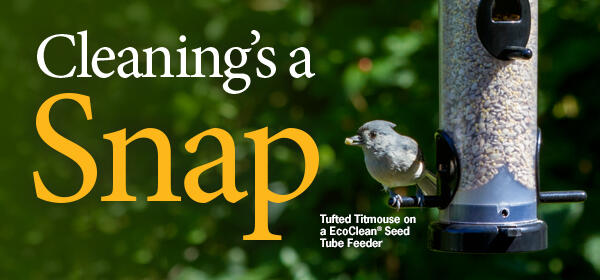
Selecting the appropriate seed tube feeder is important. You want it to be attractive to the birds, easy to fill and use, but it should also be easy to clean. WBU QuickClean seed tube feeders are designed to be the easiest to clean feeders on the market. A quick press of two buttons and the bottom pops off for easy access. The seed deflector ensures all seed is eaten and does not sit at the bottom of the feeder.
Join Us For Our Next Bird Feeder Cleaning Event!
Help birds stay healthy and support our community by participating in our bird feeder cleaning events! We typically host two annual Bird Feeder Cleaning Events a year (Spring and Fall).
Check Out Our Store Events Page or See Store for More Information!
Need Help Cleaning Your Feeders?
Call or come into the store to arrange for your feeder to be cleaned. For more information call the store (815-744-3800)
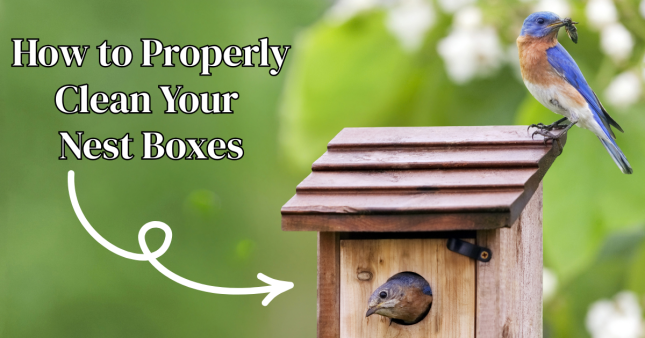
How to Properly Clean Your Bird House
Nest boxes should be cleaned before and after each nesting season. Nests can harbor harmful bacteria and parasites, and throughout winter birds may use your houses to shelter from cold nights so you need to make sure they're been cleaned out before the next nesting season begins.
Steps:
- Put on some disposable gloves (some people also like to use a face covering for extra protection).
- Open up each box and remove all nesting material and scrape out any feces that may have accumulated on the walls or floor. Dirty nesting boxes can attract rodents, mites and bacteria that can be hazardous to birds. Any nesting material and other debris needs to be properly discarded to keep pets and other critters from getting to it.
- Scrub or soak each box with a solution made up of one part chlorine bleach and nine parts hot water and allow to sit for a few minutes (you can also use a 1:1 water to vinegar solution).
- Once clean, rinse the boxes with hot water to make sure all the solution is completely removed.
- Before you put the boxes back up, let them dry thoroughly in the sun to ensure that no mold grows on the inside of the box.
Now your boxes are ready to provide safe housing for this spring and summer's baby birds!
You can also leave your box up over the winter and allow it to be used as a roosting place for birds, mice, or squirrels. Some monitors elect to seal off their birdhouses to prevent unwanted winter tenants.